


Burned by the sun? These 7 tips will help your skin recover
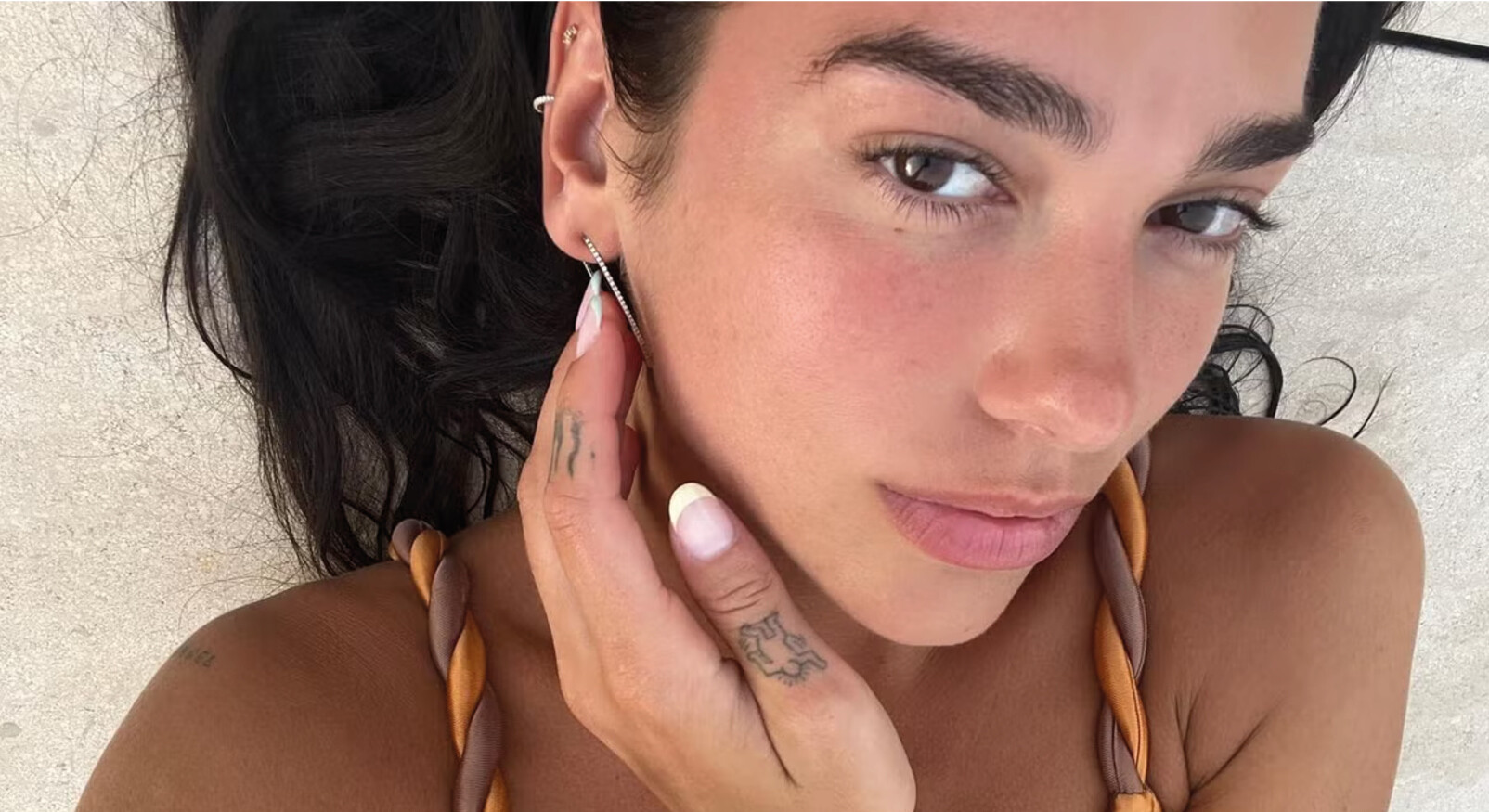
In the summer, I used to apply oil, preferably with SPF 15, because otherwise, that sun-kissed color never came up. Even worse: on family vacations, I still hear my aunt say, “We only apply it when I feel it burning,” and there we were, hours in the sun. I'm really talking about years ago, and with everything I know now, such statements are more of a nightmare for me than something that makes me happy, like back then. Because yes, back then I would definitely come home nicely tanned, with a bit of red here and there, but hey, in the evening a little tomato, in the morning a little chocolate, right?
Still, I hear such statements enough around me, but once Paula Begoun, the woman behind the globally known skincare brand Paula’s Choice, told me that if your skin is already discolored, whatever color it may be, damage has already been done to your skin. Ouch. What’s the best thing you can do against sun damage and burning during your vacation (because you can’t always avoid the sun, or you live like a night owl), but also after the vacation for recovery? Here are the best tips.
Cool, cool, cool
Dermatologists worldwide agree: if your skin burns, it’s important to cool it down quickly. Showering with lukewarm water (never ice-cold, as that can further irritate the skin) or applying cooling gels with aloe vera soothes the pain and helps the skin calm down quickly. After-sun gels with soothing ingredients are therefore not a luxury. Forgot your after-sun? No worries, even cucumber slices cooled in the fridge or a thin layer of yogurt can help provide local cooling.
Hydrate from within
Drink a lot, I mean water, okay? Sunburn causes your skin to dry out, so drink plenty to hydrate your skin from within. This not only helps your skin recover but also keeps your energy levels up. Water or moisture also provides energy, so grab an extra glass of water instead of coffee for an energy boost. It works, believe me. Don’t forget to use a moisturizing cream, without fragrances or active ingredients that can further irritate the skin.
Apply sunscreen every day
The best way to prevent your skin from burning is to always use sunscreen, even when the sun isn’t shining. Use an SPF of 30 or, preferably, higher. The sun is stronger than you think (check your weather app, there’s an index these days), and even if you’re not lying in the sun, you can still suffer damage from UV rays that penetrate through windows or even on cloudy days. Also, reapply sunscreen every two hours, especially if you’re lying in the sun. Don’t forget the spots behind your ears, feet, and neck. Especially behind your ears is often forgotten, but that’s where melanomas (a form of skin cancer) are often discovered. So, apply.
Use antioxidants for recovery
Supplements can also help, such as vitamins C and E, to repair the damage from the sun’s rays. These substances protect the skin from free radicals and help the skin recover faster. There are serums and creams that contain these ingredients, so shop for those. Didn’t bring extra vitamins on vacation? I get it. Then eat some extra vitamin C by consuming oranges, pineapples, or red peppers, and nuts, mangoes, or avocados for extra vitamin E. Of course, avoid the sun until your skin has fully recovered. If your skin is extra sensitive, you can also use products with soothing ingredients, such as oatmeal or chamomile.
Take care of your skin after your vacation
Especially after your vacation, it’s so important to continue caring for your skin, not just after a day in the sun. The first few weeks after the vacation, it’s wise to keep applying a nourishing cream and to calm and keep your skin as supple as possible, because we all know those dry patches or peeling after the vacation.
Check your moles
Sun damage can increase the risk of skin cancer, so regularly checking your moles for changes is quite wise. I have a lot of moles, and even though I don’t know them all by heart, I do check them for strange shapes, colors, or if they suddenly become irritated and itch. If so, make an appointment with your doctor for a referral to a dermatologist and have everything checked thoroughly. If you notice that a mole becomes asymmetrical, grows larger, or changes color, it’s really important to take this seriously. Skin cancer is often detected at an early stage when people keep a close eye on their skin.
If you burn: avoid extra damage
Is your face or nose burned? Then avoid products like retinol or other active ingredients that can irritate the skin. The same goes for shaving the skin or performing aggressive treatments, such as chemical peels. Give your skin time to recover, and try to minimize the burden on your skin for the first few days. Your skin can really do without exfoliation for a while and once it’s calm again, you can gradually pick it up again.
Source: huidkanker.nl


